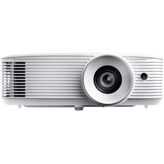
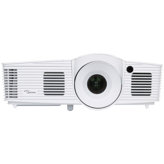
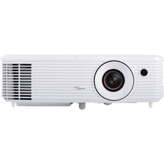
Optoma HD180 vs Optoma HD20: 35 Highlights & 38 Differences — So, Which Projector Actually Works Better
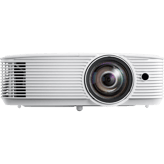
Let's compare brightness and picture quality between these two popular Optoma models. From product type, native resolution, throw ratio & lens material to real user feedback, we broke down the differences between Optoma HD180 and Optoma HD20 in this clear, side-by-side projectors comparison.
 Supermod
 Moderator

Highlights 167
No extras. Just what matters. Recaptor
Optoma HD180 vs Optoma HD20: An In-Depth Home Theater Projector Showdown
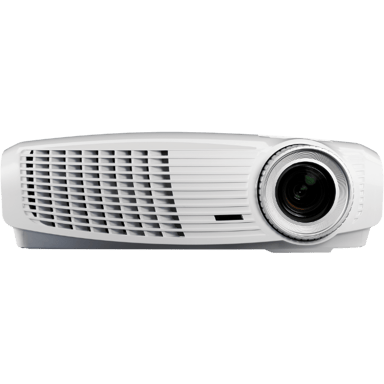
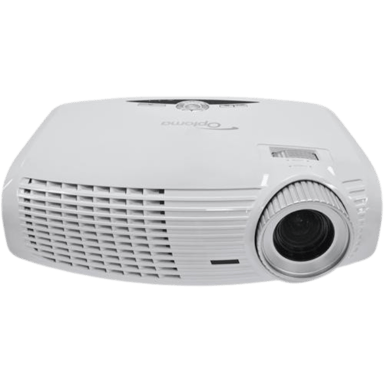
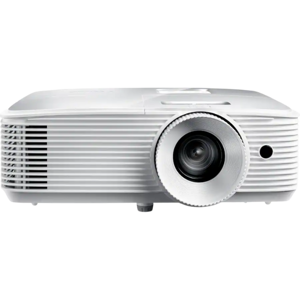
Both the Optoma HD180 and Optoma HD20 stand out as 1080p DLP projectors designed for home theater enthusiasts who want vibrant visuals and solid brightness levels. Sharing a similar native resolution of full HD and an output brightness of 1700 lumens, these models cater to standard throw projection needs with maximum screen sizes hovering around 300 inches. However, they diverge notably in build design, optics, connectivity, and power efficiency. The HD180 is a wider and sturdier unit crafted from a blend of plastic and metal, featuring rear mounting capabilities, whereas the HD20 trades width for a slimmer plastic-only body with a longer throw ratio and enhanced color processing features like a faster 4x color wheel. These distinctions make each model suitable for different home setups and user preferences.
Distinctive Qualities of the Optoma HD180
The Optoma HD180 impresses with a robust build, measuring 12.76 inches wide and 9.21 inches deep, combining plastic and metal materials that provide a durable feel and versatility in mounting options, including tabletop, ceiling, and rear mount placements. This flexibility can be especially beneficial for rooms requiring rear projection setups, expanding installation possibilities. Its 230W light source power slightly outperforms the HD20, potentially offering marginally higher brightness longevity. The manual focus lens, albeit plastic, works smoothly for users accustomed to this straightforward adjustment style. Maintaining simplicity, the HD180 supports standard VGA and composite AV inputs, along with a 3.5mm audio out port, catering to basic connectivity needs. Its auto source detection and advanced on-screen menus facilitate ease of use, supported by a standard backlit remote control that adds to the everyday usability. If you're looking for a dependable, budget-friendly 1080p DLP projector with versatile mounting and straightforward operation, the HD180 stands as a worthy contender.
Why the Optoma HD20 Might Be the Superior Visual Choice
Optimized for those seeking enhanced image quality and refined color presentation, the Optoma HD20 incorporates a number of thoughtful features that justify its higher price point. Its slimmer profile at just 3.82 inches wide, though deeper at 12.76 inches, makes it easier to integrate discreetly in many home theater setups. The projector uses a glass lens, which generally produces sharper images with less distortion compared to plastic lenses, complementing the crisp 1080p resolution. The HD20 further elevates color fidelity with a 4x color wheel speed and selectable color temperature presets, including Warm, Neutral, and Cool, enhancing the viewing experience by minimizing common DLP rainbow effects and tailoring visuals to user preference. Connectivity is augmented by the presence of an RS-232 port, allowing integration into advanced control systems; a feature not available on the HD180. Power consumption is slightly higher at 260W under normal mode. Still, it balances that with an eco mode that reduces power by 20% and a low standby consumption of 0.5W, showcasing better energy efficiency and environmental consideration. Coupled with a quick 30-second warm-up and a documented input switching speed of 3 seconds, the HD20 offers a more responsive user experience. Additionally, it includes dual 2W speakers that provide decent audio output for casual use, a perk absent in the HHD180'sspecifications. Overall, the HD20 is suited for buyers who demand nuanced image processing, flexible color customization, and enhanced connectivity options.
Quick Take
The Optoma HD180 triumphs as a budget-conscious choice that offers solid brightness, versatile mounting options, including rear mounting, and straightforward usability for entry-level home theaters. Conversely, the Optoma HD20 shines with improved optics courtesy of a glass lens, advanced color processing featuring a fast 4x color wheel and selectable temperature presets, better power management, and additional professional connectivity through RS-232. These elements make the HD20 a compelling pick for those desiring enhanced picture quality and smarter power efficiency despite its steeper cost.
Bottom Line Recommendation
If image quality and color accuracy top your priority list and you welcome advanced connectivity like RS-232 support, the Optoma HD20 justifies its premium price of around $825 with glass optics, eco-friendly power features, and practical usability enhancements that elevate your home theater setup. On the other hand, if your budget is tighter, around $550, and you require a reliable 1080p DLP projector with slightly higher wattage for brighter conditions, plus the convenience of rear mounting, the HD180 remains a practical and dependable choice. Both models serve distinct niches well, but the HHD20'smodern features make it the better long-term investment unless budget constraints dominate your decision-making process.
Verdict
- Winner: Optoma HD20 - Offers superior color processing, glass lens optics, RS-232 connectivity, and eco-conscious power features, making it ideal for a higher-end home theater experience.
- Runner-up: Optoma HD180 - Provides solid brightness, versatile mounting,m including rear projection, and a well-rounded feature set at a more affordable price, perfect for budget-aware users.
Comparisons 1
Two enter. One leaves your cart.Price comparisons
Optoma HD180
Optoma HD20
Related comparisons 1
Because one duel is never enough.
Comparisons & Facts 167
Side by side. The numbers. The features. No drama.We compared every major spec, design detail, and performance point between Optoma HD180 and Optoma HD20. If you’re trying to choose the better projector, this side-by-side projectors review lays out what matters — and what might surprise you.
General Information 9

Product Type
What is the product type of this projector?
0 Optoma HD180 0 Votes missing
57 Optoma HD20 0 Votes Home Theater

vs

Product Type
The Product Type for Optoma HD180 is missing, while for Optoma HD20 it is Home Theater, which suggests the HD20 is explicitly designed for home theater use.
Defines the general classification of this projector.
Color
What is the color of this projector?
17 Optoma HD180 0 Votes White
17 Optoma HD20 0 Votes White
vs
Color
Both Optoma HD180 and Optoma HD20 projectors have the same Color, which is White, offering a neutral aesthetic for either model.
Indicates the color finish of the projector body.
Imaging Chip Size
What is the imaging chip size of this projector?
vs
Imaging Chip Size
The Imaging Chip Size is identical for both Optoma HD180 and Optoma HD20 at 0.65 inches, indicating similar core imaging hardware.
Specifies the size of the imaging chip. Larger chips generally improve performance.
Build Material
What is the build material of this projector?
52 Optoma HD180 0 Votes Plastic, Metal
37 Optoma HD20 0 Votes Plastic
vs
Build Material
The Build Material differs between the two units: Optoma HD180 combines Plastic and Metal, whereas Optoma HD20 uses only Plastic, potentially impacting durability.
Specifies the main construction material of the chassis.
Projection Technology Type
What is the projection technology type of this projector?
77 Optoma HD180 0 Votes DLP
77 Optoma HD20 0 Votes DLP
vs
Projection Technology Type
Both Optoma HD180 and Optoma HD20 use DLP as their Projection Technology Type, meaning they share the same projection technology.
Identifies the core imaging technology used.
Release Year
What is the release year of this projector?
12 Optoma HD180 0 Votes 2010
6 Optoma HD20 0 Votes 2009
Optoma HD180
The projector's release year is 2010, contextualizing its technology and feature set to that period.
Shows the year the projector model was released.
Imaging Chip Type
What is the imaging chip type of this projector?
77 Optoma HD180 0 Votes DLP Chip
77 Optoma HD20 0 Votes DLP Chip
Optoma HD180
The imaging chip type is DLP, which uses digital micromirror devices to create the projected image with typically good contrast and color accuracy.
Indicates the chip architecture that forms the image.
Country of Manufacture
What is the country of manufacture for this projector?
77 Optoma HD180 0 Votes China
77 Optoma HD20 0 Votes China
Indicates where the projector was manufactured.
Intended Usage Type
What is the intended usage type of this projector?
55 Optoma HD180 0 Votes Home Theater, Gaming, Office
67 Optoma HD20 0 Votes Home Theater
Describes the ideal application for this projector.
Optical Performance 16
Native Resolution
What is the native resolution of this projector?
77 Optoma HD180 0 Votes 1080p
77 Optoma HD20 0 Votes 1080p
vs
Native Resolution
The Native Resolution is 1080p for both Optoma HD180 and Optoma HD20, supporting Full HD image output on both models.
The true physical pixel resolution produced by the projector.
Brightness Output
What is the brightness output?
vs
Brightness Output
Both Optoma HD180 and Optoma HD20 have the same Brightness Output of 1700 lumens, meaning their brightness performance is comparable.
Indicates overall light output for visibility in ambient light.
Pixel Shifting
Does this projector support pixel shifting?
No
0
Votes
Optoma HD180
No
0
Votes
Optoma HD20
vs
Pixel Shifting
Pixel Shifting technology is not present in either the Optoma HD180 or Optoma HD20, so pixel enhancement features are not expected.
Indicates whether resolution enhancement via pixel shifting is supported.
Frame Interpolation
Does this projector support frame interpolation?
No
0
Votes
Optoma HD180
No
0
Votes
Optoma HD20
vs
Frame Interpolation
Neither Optoma HD180 nor Optoma HD20 features Frame Interpolation, so motion smoothing is not supported on these projectors.
Allows smoother motion for sports and fast scenes.
Sharpness Enhancement Type
Crisp detail with sharpness level :val.
Who knows? 0 Votes Optoma HD180
0 Optoma HD20 0 Votes Not Specified
vs
Sharpness Enhancement Type
The Sharpness Enhancement Type is not available for Optoma HD180 but is not specified for Optoma HD20, indicating that this feature is either absent or unclear in both.
What is the sharpness enhancement level?
Maximum Supported Resolution
What is the maximum supported resolution of this projector?
27 Optoma HD180 0 Votes 1080p
27 Optoma HD20 0 Votes 1080p
Optoma HD180
Maximum supported resolution matches the native resolution at 1080p, indicating no higher resolution input scaling.
Optoma HD20
Supports full HD 1080p resolution, delivering clear and sharp images suitable for a quality home theater experience.
The highest resolution signal the projector can accept.
Color Bit Depth
What is the color bit depth?
Optoma HD180
Color bit depth is 10 bit, allowing for over a billion possible colors, improving color gradation and accuracy.
Optoma HD20
The color bit depth is 8 bit, allowing for a broad spectrum of color gradations.
Determines how finely color gradients are rendered.
Peak ANSI Lumens
What is the peak ANSI lumens of this projector?
Optoma HD20
Peak ANSI lumens is 1700, indicating a bright and vivid image suitable for home theater environments.
Industry-standard brightness measurement using ANSI method.
Dynamic Lumens
What is the dynamic lumens rating?
Who knows? 0 Votes Optoma HD180
Optoma HD20
The dynamic lumens rating is 1700, reflecting the brightness delivered under typical viewing conditions.
Measures boosted brightness in enhanced dynamic modes.
Contrast Ratio
What is the contrast ratio of this projector?
0 Optoma HD180 0 Votes 3,000:1
0 Optoma HD20 0 Votes 4,000:1
Optoma HD180
The contrast ratio of 3,000:1 indicates the difference between the darkest and brightest parts of an image, impacting picture depth and richness.
Represents the difference between the darkest black and brightest white produced by the projector.
Color Gamut Coverage
What is the color gamut coverage?
Who knows? 0 Votes Optoma HD180
Optoma HD20
The color gamut coverage reaches 100%, ensuring vivid and accurate color reproduction.
Indicates percent coverage of color spaces such as Rec.709 or DCI-P3.
Refresh Rate
What is the refresh rate?
Optoma HD180
The refresh rate is 85 Hz, which helps reduce flicker and improve motion smoothness for video and gaming content.
Determines motion smoothness for gaming and video.
Projection & Throw Performance 15
Screen Size Maximum
What is the maximum supported screen size?
vs
Screen Size Maximum
The maximum screen size differs slightly: Optoma HD180 supports up to 301.1 inches, while Optoma HD20 supports up to 300 inches, a negligible difference in use.
Largest supported diagonal projection size.
Throw Ratio
Flexible placement with :val throw ratio.
69 Optoma HD180 0 Votes 1.5–1.8 (Standard)
66 Optoma HD20 0 Votes 1.5–2.5+ (Long Throw)
vs
Throw Ratio
Throw Ratio for Optoma HD180 is between 1.5 and 1.8 (Standard), whereas for Optoma HD20 it ranges from 1.5 to 2.5+ (Long Throw), indicating HD20 supports longer throw distances.
What is the throw ratio?
Short Throw
Does this projector support short throw usage?
No
0
Votes
Optoma HD180
No
0
Votes
Optoma HD20
vs
Short Throw
Short Throw is not supported by either Optoma HD180 or Optoma HD20, indicating both require standard throw distances for projection.
Indicates whether the projector is designed for short-throw projection.
Ultra Short Throw
Does this projector support ultra short throw projection?
No
0
Votes
Optoma HD180
No
0
Votes
Optoma HD20
vs
Ultra Short Throw
Ultra Short Throw capability is absent in both Optoma HD180 and Optoma HD20, so neither projector is designed for ultra-short throw distances.
Indicates whether the projector can project large images at extremely short distances.
Keystone Correction Horizontal
What is the horizontal keystone correction?
Who knows? 0 Votes Optoma HD180
Who knows? 0 Votes Optoma HD20
Horizontal angle adjustment to correct image distortion.
Minimum Throw Distance
What is the minimum throw distance?
Optoma HD180
The minimum throw distance is 4.92 feet (1.5 meters), describing how close the projector can be placed to the screen while still projecting a clear image.
Optoma HD20
Minimum throw distance is 5.2 feet (approximately 1.58 meters), allowing for placement fairly close to the projection surface.
Closest usable distance between projector and screen.
Maximum Throw Distance
What is the maximum throw distance?
Optoma HD180
Maximum throw distance is 32.8 feet (10 meters), indicating the farthest distance the projector can be effectively used from the screen.
Optoma HD20
Maximum throw distance is 32.8 feet (approximately 10 meters), providing flexibility for large venue projections.
Maximum distance at which the projector can achieve a proper image.
Keystone Correction Vertical
What is the vertical keystone correction?
Optoma HD180
Vertical keystone correction is 5 degrees, allowing adjustment for tilt distortion when the projector is not perfectly aligned with the screen.
Vertical angle adjustment to correct image distortion.
Screen Size Minimum
What is the minimum supported screen size?
Optoma HD180
The minimum screen size projection is 37.6 inches (95.5 cm), defining the smallest recommended viewing area for optimal image quality.
Smallest supported diagonal projection size.
Auto Keystone
Does this projector support auto keystone?
No
0
Votes
Optoma HD180
No
0
Votes
Optoma HD20
Automatically corrects keystone distortion.
Lens Shift Vertical
What is the vertical lens shift?
Who knows? 0 Votes Optoma HD180
Who knows? 0 Votes Optoma HD20
Vertical lens movement for distortion-free positioning.
Lens Shift Horizontal
What is the horizontal lens shift?
Who knows? 0 Votes Optoma HD180
Who knows? 0 Votes Optoma HD20
Horizontal lens movement to fine-tune placement.
Lens & Focus System 10
Aperture Size
What is the aperture size?
Who knows? 0 Votes Optoma HD20
vs
Aperture Size
Aperture Size is specified as 2.55 f-stop for Optoma HD180, but is unavailable for Optoma HD20, leaving this optical parameter unclear for the latter.
Specifies the optical aperture size affecting brightness and depth.
Lens Material
What is the lens material?
47 Optoma HD180 0 Votes Plastic
67 Optoma HD20 1 Votes Glass
vs
Lens Material
Lens Material differs between units: Optoma HD180 has a Plastic lens, while Optoma HD20 features a Glass lens, likely affecting image quality and durability.
Indicates the primary material used in the projector lens.

The glass lens on the HD20 really ups the image quality for me compared to the plastic lens on the HD180 so I go with the HD20.
Focus Type
What is the focus type of this projector?
27 Optoma HD180 0 Votes Manual
27 Optoma HD20 0 Votes Manual
vs
Focus Type
Both Optoma HD180 and Optoma HD20 use Manual Focus Type, requiring manual adjustment for image sharpness.
Defines how the projector adjusts focus.
Dustproof Lens Design
Does this projector have a dustproof lens design?
No
0
Votes
Optoma HD180
No
0
Votes
Optoma HD20
vs
Dustproof Lens Design
Neither Optoma HD180 nor Optoma HD20 includes a Dustproof Lens Design, which may affect lens cleaning frequency and durability.
Specifies whether the lens is designed to resist dust intrusion.
Lens Replacement Compatibility
Is the lens replaceable?
No
0
Votes
Optoma HD180
No
0
Votes
Optoma HD20
vs
Lens Replacement Compatibility
Lens Replacement Compatibility is not supported by either Optoma HD180 or Optoma HD20, restricting user lens upgrades.
Indicates whether the projector's lens can be replaced or upgraded.
Lens Coating Type
What is the lens coating type?
Who knows? 0 Votes Optoma HD180
Who knows? 0 Votes Optoma HD20
Defines special coatings that enhance optical performance.
Auto Focus
Does this projector support auto focus?
No
0
Votes
Optoma HD180
No
0
Votes
Optoma HD20
Indicates whether the projector can automatically adjust focus.
Manual Focus Range
What is the manual focus range?
36 Optoma HD180 0 Votes Manual focus
Who knows? 0 Votes Optoma HD20
Indicates the distance range manual focus can adjust for.
Lens Motor Noise Level
What is the lens motor noise level?
Who knows? 0 Votes Optoma HD180
Who knows? 0 Votes Optoma HD20
Measures noise generated during lens adjustments.
Lens Protection Cover
Does this projector include a lens protection cover?
No
0
Votes
Optoma HD180
No
0
Votes
Optoma HD20
Indicates whether the lens includes a physical protection cover.
Light Source System 11
Light Source Power Output
What is the light source power output?
vs
Light Source Power Output
The Light Source Power Output is higher on Optoma HD180 at 230 Watts compared to 180 Watts for Optoma HD20, potentially affecting brightness and energy use.
Indicates the wattage of the light source, affecting brightness potential.
The HD180 has a stronger 230W light source power which can last longer and stay bright so I prefer the HD180 for brightness lifespan.

Light Efficiency
What is the light efficiency?
Who knows? 0 Votes Optoma HD180
Who knows? 0 Votes Optoma HD20
Measures how effectively the light source converts power into brightness.
Warm-Up Time
What is the warm-up time?
Who knows? 0 Votes Optoma HD180
vs
Warm-Up Time
Warm-Up Time is not available for Optoma HD180 but is 30 seconds for Optoma HD20, indicating faster readiness for the HD20.
Time required for the projector to reach full brightness.
Light Uniformity Rating
What is the light uniformity rating of this projector?
Who knows? 0 Votes Optoma HD180
37 Optoma HD20 0 Votes Medium
vs
Light Uniformity Rating
Light Uniformity Rating is not available for Optoma HD180, while Optoma HD20 rates as Medium, implying better light consistency for the HD20.
Indicates how evenly brightness is distributed across the screen.
Color Temperature
What is the color temperature setting of this projector?
Who knows? 0 Votes Optoma HD180
10 Optoma HD20 0 Votes Warm, Neutral, Cool
vs
Color Temperature
Color Temperature information is unavailable for Optoma HD180 but listed as Warm, Neutral, and Cool for Optoma HD20, suggesting more color temperature options in HD20.
Defines the visual warmth or coolness profile of the projected image.
Light Source Lifetime Eco Mode
What is the light source lifetime in eco mode?
Optoma HD180
In eco mode, the light source lifetime extends to 4000 hours, offering longer usage by reducing brightness and power consumption.
Optoma HD20
Light source lifetime in eco mode extends to 4000 hours, which helps increase the overall lamp life.
Estimated lifespan of the light source in eco mode.
Light Source Lifetime Normal Mode
What is the light source lifetime in normal mode?
Optoma HD180
The light source lifetime in normal mode is 3000 hours, indicating the expected operational duration before lamp replacement may be required.
Optoma HD20
The normal mode light source lifetime is about 3000 hours, which is typical for lamp-based projectors.
Estimated lifespan in standard usage mode.
Light Source Type
What is the light source type?
17 Optoma HD180 0 Votes Lamp
17 Optoma HD20 0 Votes Lamp
Defines the illumination technology powering the projector.
Cool-Down Time
What is the cool-down time?
Who knows? 0 Votes Optoma HD180
Who knows? 0 Votes Optoma HD20
Time required before the projector safely powers off.
Light Source Replaceability
Can the light source be replaced?
Yes 0 Votes Optoma HD180
Yes 0 Votes Optoma HD20
Indicates whether users can replace the light source.
Light Flicker Control
Does this projector include light flicker control?
No
0
Votes
Optoma HD180
No
0
Votes
Optoma HD20
Indicates whether flicker reduction technology is implemented.
Imaging & Color Processing 13
Color Wheel Speed (for DLP)
What is the color wheel speed of this projector?
27 Optoma HD180 0 Votes 2x
47 Optoma HD20 1 Votes 4x
vs
Color Wheel Speed (for DLP)
The Color Wheel Speed for DLP in Optoma HD180 is 2x, while Optoma HD20 operates at 4x, which may influence color quality and motion rendering.
Defines the rotational speed of the DLP color wheel, affecting color accuracy and rainbow artifact reduction.

The HD20 has a faster 4x color wheel speed which really improves color smoothness so I lean towards the HD20 for better visuals.
Image Scaling Engine Type
What type of image scaling engine does this projector use?
27 Optoma HD180 0 Votes Standard
27 Optoma HD20 0 Votes Standard
vs
Image Scaling Engine Type
Both Optoma HD180 and Optoma HD20 use a Standard Image Scaling Engine Type, indicating similar image scaling capabilities.
Defines the scaling engine used to upscale lower-resolution content to the projector’s native resolution.
Color Temperature Presets
What color temperature presets does this projector offer?
Who knows? 0 Votes Optoma HD180
53 Optoma HD20 0 Votes Warm, Neutral, Cool
vs
Color Temperature Presets
Color Temperature Presets are unavailable for Optoma HD180 but offered as Warm, Neutral, and Cool for Optoma HD20, providing more preset options on the HD20.
Preset visual warmth settings for different content.
Skin Tone Correction
Does this projector offer skin tone correction?
No
0
Votes
Optoma HD180
No
0
Votes
Optoma HD20
vs
Skin Tone Correction
Skin Tone Correction is not supported by both Optoma HD180 and Optoma HD20, meaning no specialized skin tone optimization is available.
Enhances natural skin tones for realistic visuals.
MEMC Mode
Does this projector support MEMC mode?
No
0
Votes
Optoma HD180
No
0
Votes
Optoma HD20
vs
MEMC Mode
MEMC Mode is not supported by either Optoma HD180 or Optoma HD20, so motion estimation and compensation features are absent.
Motion interpolation for smooth fast-action content.
Black Level Enhancement
Does this projector include black level enhancement?
No
0
Votes
Optoma HD180
Yes 0 Votes Optoma HD20
Optoma HD20
Black level enhancement is supported, contributing to better contrast and deeper blacks in the displayed image.
Deepens dark scenes for improved shadow detail.
White Balance Control
Does this projector include white balance control?
No
0
Votes
Optoma HD180
Yes 0 Votes Optoma HD20
Optoma HD20
White balance control is included, which allows finer tuning for more accurate color reproduction.
Allows tuning of color balance for accurate whites.
Image Processor Type
What is the image processor type?
17 Optoma HD180 0 Votes Standard
17 Optoma HD20 0 Votes Standard
Specifies the processing engine that handles color, scaling, and image optimization.
Image Processing Bit Depth
What is the image processing bit depth?
Indicates color precision and gradient smoothness.
Color Calibration Profiles
What color calibration profiles are available?
Who knows? 0 Votes Optoma HD180
65 Optoma HD20 0 Votes Rec709, Cinema
Predefined settings for accurate color reproduction.
Auto Color Correction
Does this projector have auto color correction?
No
0
Votes
Optoma HD180
No
0
Votes
Optoma HD20
Automatically adjusts colors for the best image quality.
Gamma Adjustment Levels
How many gamma adjustment levels are available?
Who knows? 0 Votes Optoma HD180
Who knows? 0 Votes Optoma HD20
Controls mid-tone brightness for accurate contrast.
Smart Features & Software 12
Voice Control
Does this projector support voice control?
No
0
Votes
Optoma HD180
No
0
Votes
Optoma HD20
vs
Voice Control
Voice Control is not supported by Optoma HD180 and Optoma HD20, so voice commands cannot be used with these projectors.
Enables hands-free control using supported voice assistants.

Screen Mirroring Standard
What screen mirroring standard does this projector support?
Who knows? 0 Votes Optoma HD180
Who knows? 0 Votes Optoma HD20
Specifies which standard is used for mirroring devices.

Wi-Fi Band Support
What Wi-Fi bands does this projector support?
Who knows? 0 Votes Optoma HD180
Who knows? 0 Votes Optoma HD20
Indicates the supported wireless frequency bands.
Smart Calibration
Does this projector support smart calibration?
No
0
Votes
Optoma HD180
No
0
Votes
Optoma HD20
Optoma HD180
This projector does not support smart calibration features, so image adjustments must be done manually or through basic settings.
Indicates whether calibration can be optimized automatically or via app.
Operating System Type
What is the operating system type?
0 Optoma HD180 0 Votes No OS
0 Optoma HD20 0 Votes No OS
Specifies the software platform the projector runs on.
App Store Support
Does this projector support an app store?
No
0
Votes
Optoma HD180
No
0
Votes
Optoma HD20
Indicates support for downloading apps directly to the projector.
Built-In Streaming Apps
What built-in streaming apps are available?
Who knows? 0 Votes Optoma HD180
Who knows? 0 Votes Optoma HD20
Lists available preinstalled streaming services.
AI Auto Image Optimization
Does this projector include AI auto image optimization?
No
0
Votes
Optoma HD180
No
0
Votes
Optoma HD20
Automatically enhances image settings using AI.
Wireless Casting
Does this projector support wireless casting?
No
0
Votes
Optoma HD180
No
0
Votes
Optoma HD20
Indicates compatibility with casting protocols like Chromecast or AirPlay.
Bluetooth Version
What is the Bluetooth version?
Who knows? 0 Votes Optoma HD180
Who knows? 0 Votes Optoma HD20
Indicates the Bluetooth protocol version for audio and accessories.
Software Update Method
What is the software update method?
Who knows? 0 Votes Optoma HD180
57 Optoma HD20 0 Votes USB
Describes how firmware updates are applied.
On-Device Storage Capacity
What is the on-device storage capacity?
Who knows? 0 Votes Optoma HD180
Who knows? 0 Votes Optoma HD20
Amount of internal memory available for apps and media.
Connectivity & I/O Ports 14
VGA Port
Does this projector support VGA input?
Yes 0 Votes Optoma HD180
Yes 0 Votes Optoma HD20
vs
VGA Port
Both Optoma HD180 and Optoma HD20 include a VGA Port, which offers legacy video input compatibility.
Indicates presence of a VGA input for legacy devices.
RS-232 Port
Does this projector include an RS-232 port?
No
0
Votes
Optoma HD180
Yes 1 Votes Optoma HD20
vs
RS-232 Port
RS-232 Port is absent in Optoma HD180 but present in Optoma HD20, providing the HD20 with more professional control options.
Indicates support for professional control and automation systems.
I prefer the HD20 since it supports the RS-232 port offering better connectivity for advanced setups making it more versatile.
Audio Out Port Type
What type of audio out port does this projector have?
7 Optoma HD180 0 Votes 3.5mm
7 Optoma HD20 0 Votes 3.5mm
vs
Audio Out Port Type
Both Optoma HD180 and Optoma HD20 projectors feature a 3.5mm Audio Out Port Type, supporting external audio output.
Indicates available audio output interfaces.
AV Composite Input
Does this projector offer AV composite input?
Yes 0 Votes Optoma HD180
Yes 0 Votes Optoma HD20
vs
AV Composite Input
AV Composite Input is available on both Optoma HD180 and Optoma HD20, allowing analog video connectivity.
Indicates whether composite video input is available.
SD Card Slot
Does this projector support an SD card slot?
No
0
Votes
Optoma HD180
No
0
Votes
Optoma HD20
vs
SD Card Slot
SD Card Slot is not included in either Optoma HD180 or Optoma HD20, limiting media input options.
Indicates ability to read media directly from SD cards.
HDMI Ports Count
How many HDMI ports does this projector have?
54 Optoma HD180 0 Votes 2
54 Optoma HD20 0 Votes 2
Optoma HD180
There are two HDMI ports, allowing multiple high-definition input sources such as Blu-ray players or gaming consoles.
Number of HDMI inputs available for digital video and audio.
12V Trigger Port
Does this projector have a 12V trigger port?
Yes 0 Votes Optoma HD180
No
0
Votes
Optoma HD20
Optoma HD180
The presence of a 12V Trigger Port allows the projector to control external devices such as motorized screens, turning them on or off synchronously.
Used to control motorized screens and automation systems.
HDMI Version
What HDMI version does this projector support?
17 Optoma HD180 0 Votes 1.4
17 Optoma HD20 0 Votes 1.4
Specifies the supported HDMI standard.
USB Ports Count
How many USB ports does this projector have?
Who knows? 0 Votes Optoma HD180
0 Optoma HD20 0 Votes 0
Indicates how many USB ports are available.
USB Type Support
What USB types are supported?
Who knows? 0 Votes Optoma HD180
Who knows? 0 Votes Optoma HD20
Defines the supported USB standards and connector types.
Ethernet Port
Does this projector support Ethernet?
No
0
Votes
Optoma HD180
No
0
Votes
Optoma HD20
Indicates whether wired internet connectivity is available.
Optical Audio Output
Does this projector include an optical audio output?
No
0
Votes
Optoma HD180
No
0
Votes
Optoma HD20
Indicates availability of optical audio interface for high-quality sound systems.
Audio System 9
Speaker Output Power
What is the speaker output power?
Who knows? 0 Votes Optoma HD180
vs
Speaker Output Power
Speaker Output Power is not available for Optoma HD180 but is 2 Watts for Optoma HD20, suggesting the HD20 has a basic built-in speaker.
Indicates total audio power from built-in speakers.
Audio Processing Type
What type of audio processing does this projector use?
Who knows? 0 Votes Optoma HD180
17 Optoma HD20 0 Votes Standard
vs
Audio Processing Type
Audio Processing Type is not available for Optoma HD180 but standard for Optoma HD20, indicating better audio control in the HD20.
Defines the audio enhancement engine used to improve clarity, bass response, and spatial sound.
Dolby Audio
Does this projector support Dolby audio?
No
0
Votes
Optoma HD180
No
0
Votes
Optoma HD20
vs
Dolby Audio
Neither Optoma HD180 nor Optoma HD20 supports Dolby Audio, so enhanced audio decoding is not provided.
Determines whether the projector supports Dolby audio formats.
Bluetooth Audio Output
Does this projector support Bluetooth audio output?
No
0
Votes
Optoma HD180
No
0
Votes
Optoma HD20
vs
Bluetooth Audio Output
Bluetooth Audio Output is not supported by either the Optoma HD180 or Optoma HD20, meaning wireless audio streaming is not available.
Allows wireless output to speakers or headphones.
Microphone Input
Does this projector support microphone input?
No
0
Votes
Optoma HD180
No
0
Votes
Optoma HD20
vs
Microphone Input
Microphone Input is not available on both Optoma HD180 and Optoma HD20, so direct audio input for microphones is unsupported.
Indicates whether microphones can be connected for presentations or karaoke.
Fan Noise Level
What is the fan noise level?
Optoma HD180
The fan noise level is 31 dB, which is relatively quiet, contributing to a less distracting viewing environment.
Measures ambient noise from the projector fan.
Speaker Configuration
What is the speaker configuration?
Who knows? 0 Votes Optoma HD180
27 Optoma HD20 0 Votes Mono
Describes the speaker layout inside the projector.
DTS Audio
Does this projector support DTS audio?
No
0
Votes
Optoma HD180
No
0
Votes
Optoma HD20
Indicates whether DTS audio decoding is available.
Sound Modes
What sound modes are available?
Who knows? 0 Votes Optoma HD180
72 Optoma HD20 0 Votes Movie
Preset audio profiles optimized for different content.
Controls & User Interface 11
Remote Control Type
What type of remote control is included?
27 Optoma HD180 0 Votes Standard, Backlit
47 Optoma HD20 0 Votes Backlit
vs
Remote Control Type
Remote Control Type includes Standard and Backlit for Optoma HD180, while Optoma HD20 offers only Backlit, affecting user convenience in low light.
Defines the style and capability of the included remote.
Auto Source Detection
Does this projector support auto source detection?
Yes 0 Votes Optoma HD180
Yes 0 Votes Optoma HD20
vs
Auto Source Detection
Auto Source Detection is enabled on both Optoma HD180 and Optoma HD20, improving ease of use by automatically selecting active video sources.
Detects active inputs automatically.
On-Screen Menu Features
What on-screen menu features does this projector offer?
82 Optoma HD180 0 Votes Advanced Settings
82 Optoma HD20 0 Votes Advanced Settings
vs
On-Screen Menu Features
Both Optoma HD180 and Optoma HD20 offer Advanced Settings in their On-Screen Menu Features, allowing detailed user customization.
Describes navigational and functional features available inside the on-screen display (OSD) menu.
Menu Navigation Style
What is the menu navigation style?
37 Optoma HD180 0 Votes List
37 Optoma HD20 0 Votes List
vs
Menu Navigation Style
Menu Navigation Style is List for both Optoma HD180 and Optoma HD20, indicating similar interface design for user navigation.
Defines how users navigate the on-screen interface.
Input Switching Speed
What is the input switching speed?
Who knows? 0 Votes Optoma HD180
vs
Input Switching Speed
Input Switching Speed is not available for Optoma HD180 but 3 seconds for Optoma HD20, so HD20 may respond faster when switching inputs.
Time required to change from one input to another.
Backlit Remote
Does this projector include a backlit remote?
Yes 0 Votes Optoma HD180
No
0
Votes
Optoma HD20
Optoma HD180
A backlit remote control is provided, which facilitates operating the projector in dark environments with illuminated buttons for easier navigation.
Indicates whether the remote supports backlighting for dark rooms.
Custom Preset Modes
Does this projector allow custom preset modes?
No
0
Votes
Optoma HD180
Yes 0 Votes Optoma HD20
Optoma HD20
Custom preset modes are available, allowing users to tailor image settings to their preference for a better viewing experience.
Indicates whether image or sound presets can be saved by the user.
Control Panel Type
What is the control panel type?
17 Optoma HD180 0 Votes Buttons
17 Optoma HD20 0 Votes Buttons
Indicates the type of on-device control interface.
Programmable Buttons
Does this projector include programmable buttons?
No
0
Votes
Optoma HD180
No
0
Votes
Optoma HD20
Determines whether the projector or remote includes assignable hotkeys.
Indicator Light Controls
Does this projector support indicator light controls?
No
0
Votes
Optoma HD180
No
0
Votes
Optoma HD20
Allows dimming or disabling LED indicator lights.
Parental Control Features
Does this projector include parental control features?
No
0
Votes
Optoma HD180
No
0
Votes
Optoma HD20
Indicates whether parental restrictions or PIN locks are available.
Power & Electrical 12
Standby Power
What is the standby power consumption?
Who knows? 0 Votes Optoma HD180
vs
Standby Power
Standby Power is not available for Optoma HD180 but is 0.5 Watts for Optoma HD20, which may offer lower power consumption in standby.
Power consumed when the projector is not active but still plugged in.
With only 0.5W standby power the HD20 is way more energy efficient so I pick HD20 to save on electricity when not in use.
Power Consumption Normal Mode
What is the power consumption in normal mode?
vs
Power Consumption Normal Mode
Power Consumption in Normal Mode is 254 Watts for Optoma HD180 and slightly higher at 260 Watts for Optoma HD20, indicating similar energy usage.
Average power usage while running at full performance.

Despite higher power consumption, HD20 balances it with better eco features and advanced color so I'll pick HD20 for overall quality.
Input Voltage Range
What is the input voltage range?
81 Optoma HD180 0 Votes 100‑240V AC
77 Optoma HD20 0 Votes 100–240V
vs
Input Voltage Range
Input Voltage Range is slightly different, with Optoma HD180 supporting 100-240V AC and Optoma HD20 supporting 100–240V, functionally similar for global use.
Supported voltage range for safe operation.
Surge Protection
Does this projector include surge protection?
No
0
Votes
Optoma HD180
No
0
Votes
Optoma HD20
vs
Surge Protection
Neither Optoma HD180 nor Optoma HD20 includes Surge Protection, so external protection may be recommended.
Indicates whether built-in surge protection is included.
Power Efficiency Rating
What is the power efficiency rating?
0 Optoma HD180 0 Votes None
0 Optoma HD20 0 Votes None
vs
Power Efficiency Rating
Power Efficiency Rating is None for both Optoma HD180 and Optoma HD20, suggesting no special efficiency certifications.
Describes the energy efficiency certification.
Power Consumption Eco Mode
What is the power consumption in eco mode?
Who knows? 0 Votes Optoma HD180
Optoma HD20
In eco mode, power consumption is reduced to 210 Watt, improving energy efficiency during operation.
Reduced power usage when operating in eco mode.
Thermal Control Technology
What thermal control technology does this projector use?
27 Optoma HD180 0 Votes Standard Cooling
27 Optoma HD20 0 Votes Standard Cooling
Optoma HD20
The projector uses standard cooling technology, which effectively manages heat during use for reliable performance.
Defines the system used to manage heat and maintain safe operating temperatures.
Operating Power Frequency
What is the operating power frequency?
Optoma HD20
Operates at a power frequency of 50 Hz, compatible with regional electrical standards.
Indicates supported AC frequency.
Power-On Time
What is the power-on time?
Who knows? 0 Votes Optoma HD180
Optoma HD20
The power-on time is about 30 seconds, providing a fairly quick startup.
Time required for the projector to turn on and display an image.
Power Supply Type
What is the power supply type?
87 Optoma HD180 0 Votes Internal
87 Optoma HD20 0 Votes Internal
Indicates whether the power supply is built-in or external.
Power Cord Length
What is the power cord length?
Who knows? 0 Votes Optoma HD180
Length of included power cable.
Heat Output
What is the heat output?
Who knows? 0 Votes Optoma HD180
Who knows? 0 Votes Optoma HD20
Measures emitted heat during operation.
Physical & Dimensions 17
Width
What is the width of the projector?
vs
Width
Width is 12.76 inches for Optoma HD180 and significantly smaller at 3.82 inches for Optoma HD20, showing a notable size difference.
Physical width of the projector body.
The wider 12.76 inch body of the HD180 gives me a more stable feel but I know some prefer something slimmer like the HD20.
Depth
What is the depth of the projector?
vs
Depth
Depth dimension is 9.21 inches for Optoma HD180 and larger at 12.76 inches for Optoma HD20, indicating the HD20 is deeper and possibly larger.
Physical depth measurement.
Mounting Type
What is the mounting type?
25 Optoma HD180 1 Votes Tabletop, Ceiling, Rear
35 Optoma HD20 0 Votes Tabletop, Ceiling
vs
Mounting Type
Mounting Type for Optoma HD180 includes Tabletop, Ceiling, and Rear, whereas Optoma HD20 supports only Tabletop and Ceiling, limiting rear mounting options for HD20.
Describes available mounting configurations.

I like the HD180's flexible mounting options including rear mount which suits my setup better so I go with the HD180.
Ceiling Mount Compatibility
Is the projector compatible with ceiling mounting?
Yes 0 Votes Optoma HD180
Yes 0 Votes Optoma HD20
vs
Ceiling Mount Compatibility
Ceiling Mount Compatibility is confirmed for both Optoma HD180 and Optoma HD20, allowing flexible installation.
Indicates whether the projector supports ceiling mounting.
Package Depth
What is the package depth?
Who knows? 0 Votes Optoma HD180
Who knows? 0 Votes Optoma HD20
Depth of the boxed projector.
Height
What is the height of the projector?
Optoma HD180
The projector height is specified as 3.82 inch (9.7 cm), which describes its physical height dimension.
Optoma HD20
Height dimensions are 9.21 inch (approximately 23.40 cm), making the unit compact and easy to accommodate.
Vertical size of the projector body.
Weight
What is the weight of the projector?
Optoma HD180
The projector weighs 6.4 lbs (2.9 kg), which influences its portability and ease of installation.
Optoma HD20
The projector weighs about 6.4 lbs (approximately 2.90 kg), making it relatively lightweight and portable.
Total weight of the projector.
Body Ventilation Design
What is the body ventilation design of this projector?
62 Optoma HD180 0 Votes Side Vent
62 Optoma HD20 0 Votes Side Vent
Optoma HD20
The projector's body ventilation is designed with side vents to efficiently dissipate heat and maintain a stable operating temperature.
Describes the airflow layout used to cool the internal components.
Chassis Reinforcement Type
What type of chassis reinforcement is used?
27 Optoma HD180 0 Votes Standard Reinforcement
27 Optoma HD20 0 Votes Standard Reinforcement
Optoma HD180
The chassis uses standard reinforcement materials, which provide basic structural durability without specialized enhancements.
Indicates extra structural strengthening applied to the projector chassis.
Folded Width
What is the folded width?
Who knows? 0 Votes Optoma HD180
Who knows? 0 Votes Optoma HD20
Width when the projector or components are folded (if applicable).
Folded Depth
What is the folded depth?
Who knows? 0 Votes Optoma HD180
Who knows? 0 Votes Optoma HD20
Folded depth measurement.
Folded Height
What is the folded height?
Who knows? 0 Votes Optoma HD180
Who knows? 0 Votes Optoma HD20
Folded height measurement.
Environmental Conditions 10
Dust Resistance Rating
What is the dust resistance rating?
37 Optoma HD180 0 Votes Basic
37 Optoma HD20 0 Votes Basic
vs
Dust Resistance Rating
Both Optoma HD180 and Optoma HD20 have a Basic Dust Resistance Rating, suggesting minimal protection against dust ingress.
Indicates how well the projector resists dust intrusion.
Eco Mode Power Reduction Percentage
What is the eco mode power reduction percentage?
Who knows? 0 Votes Optoma HD180
vs
Eco Mode Power Reduction Percentage
Eco Mode Power Reduction Percentage is not available for Optoma HD180 and is 20% for Optoma HD20, indicating power-saving features on the HD20.
Amount of power saved when using eco mode.

That 20% eco mode power reduction on the HD20 means it’s more environmentally friendly so HD20 is my pick for that reason.
Operating Temperature Minimum
What is the minimum operating temperature?
vs
Operating Temperature Minimum
Operating Temperature Minimum is 41°F for both Optoma HD180 and Optoma HD20, indicating similar environmental operating limits.
Minimum safe temperature at which the projector can operate.
Operating Humidity Range
What is the operating humidity range?
42 Optoma HD180 0 Votes 80% max
57 Optoma HD20 0 Votes 10–85%
vs
Operating Humidity Range
Operating Humidity Range is 80% max for Optoma HD180 and 10–85% for Optoma HD20, with the HD20 specifying a defined range and the HD180 less specific.
Acceptable humidity levels for proper operation.
Storage Humidity Range
What is the storage humidity range?
37 Optoma HD180 0 Votes 10-90%
42 Optoma HD20 0 Votes 10–85%
vs
Storage Humidity Range
Storage Humidity Range for Optoma HD180 is 10-90%, while it is 10–85% for Optoma HD20, showing a slightly narrower humidity tolerance for storage on the HD20.
Humidity levels tolerated during storage.
Storage Temperature Minimum
What is the minimum storage temperature?
Optoma HD20
This projector can be safely stored at temperatures as low as -4°F (approximately -20°C), which helps in varied environmental conditions.
Minimum safe temperature for storing the projector.
Storage Temperature Maximum
What is the maximum storage temperature?
Optoma HD20
The maximum storage temperature can reach 140°F (approximately 60°C), suitable for various storage environments.
Maximum temperature the projector can handle when stored.
Operating Temperature Maximum
What is the maximum operating temperature?
Maximum safe temperature for normal operation.
Light Spill Control
Does this projector have light spill control?
No
0
Votes
Optoma HD180
No
0
Votes
Optoma HD20
Indicates measures used to contain unwanted light scatter.
Outdoor Use
Does this projector support outdoor use?
No
0
Votes
Optoma HD180
No
0
Votes
Optoma HD20
Specifies whether the projector is designed for outdoor environments.
Accessories & Warranty 8
Remote Control Battery Type
What battery type does the remote control use?
17 Optoma HD180 0 Votes AAA
17 Optoma HD20 0 Votes AAA
vs
Remote Control Battery Type
Remote Control Battery Type is AAA for both Optoma HD180 and Optoma HD20, using common batteries for convenience.
Specifies the battery type required for the remote.
Quick-Start Guide
Is a quick-start guide included?
Yes 0 Votes Optoma HD180
Yes 0 Votes Optoma HD20
vs
Quick-Start Guide
A Quick-Start Guide is included with both Optoma HD180 and Optoma HD20, assisting immediate setup.
Indicates whether a printed or digital quick-start guide is provided.
Power Cable Type
What type of power cable is included?
7 Optoma HD180 0 Votes Standard
67 Optoma HD20 0 Votes 3-Prong
vs
Power Cable Type
Power Cable Type differs: Optoma HD180 uses Standard cable, while Optoma HD20 uses a 3-Prong cable, which may affect grounding and safety.
Describes the style of the included power cable.
Extended Warranty
Does this projector support extended warranty options?
No
0
Votes
Optoma HD180
No
0
Votes
Optoma HD20
vs
Extended Warranty
Extended Warranty is not available for either Optoma HD180 or Optoma HD20, so additional coverage options are not provided.
Indicates whether users can purchase extended warranty coverage.
Service Availability Region
What is the service availability region?
77 Optoma HD180 0 Votes Global
77 Optoma HD20 0 Votes Global
vs
Service Availability Region
Service Availability Region is Global for both Optoma HD180 and Optoma HD20, ensuring worldwide support.
Specifies the regions where service and repairs are supported.
Included Accessories
What accessories are included with the projector?
43 Optoma HD180 0 Votes Remote, Power Cable, Composite Cable, Quick Start Guide
47 Optoma HD20 0 Votes Remote, Power Cable
Lists the accessories that come in the box.
Replacement Lamp Model
What replacement lamp model is supported?
37 Optoma HD180 0 Votes Standard Lamp
37 Optoma HD20 0 Votes Standard Lamp
Defines the type or class of replacement lamp or light module compatible with the projector.
Warranty Duration
What is the warranty duration?
0 Optoma HD180 0 Votes 1 Year
17 Optoma HD20 0 Votes 1 year
The length of the included manufacturer warranty.
Surveys
Because hot takes deserve votes.Performance
How would you rate the performance of this projector in terms of brightness and picture quality?
Ease of Setup
How would you rate the ease of setup for this projector?
Noise Level
How would you rate the noise level of this projector during operation?
Design and Aesthetics
How would you rate the design and aesthetics of this projector?
Durability and Build Quality
How would you rate the durability and build quality of this projector?
Connectivity Options
How would you rate the connectivity options of this projector?
Lamp Life
How would you rate the lamp life of this projector?
Smart Features and App Integration
How would you rate the smart features and app integration of this projector?
Pricing
How would you rate the pricing for this projector?
Remote Control Usability
How would you rate the usability of this projector's remote control?
Guides 1
Files 1
User's Manual: Optoma HD20
Reviews 0
The good, the bad, and the brutally honest.Average Rating


Discussions 0
Thoughts, takes, and hot debates.Awards 0
Only the best made it here.Collections 0
Treasures You’ve picked. No fluff, all fun.More Projectors 0
Unlock more awesome finds.Other Optoma Projectors 70

Other Optoma Projectors 64